National Tuberculosis and Leprosy Control Programme (NTBLCP), Federal Ministry of Health
Civil Society for the Eradication of Tuberculosis in Nigeria ACOMIN NEPWHAN, Network of People Living with HIV and AIDS in Nigeria
Integrated Community Systems Strengthening

One community. Three diseases. One stronger system.

Learn how community health workers across Nigeria find, refer and support people with TB, HIV and malaria, all in the same visit.

CSS TB HIV Malaria

Where the three meet, one community team does the work.

About the programme

What is integrated CSS?

CSS means Community Systems Strengthening. It builds up the people, tools and links that connect a household to a health facility.

Nigeria faces TB, HIV and malaria at the same time, often in the same families. Instead of three separate programmes knocking on the same door, one trained community team handles all three.

Trained community workers

People from your own community who know the local language and the local roads.

Strong links to facilities

Clear referral from the household to the clinic, and back again for follow-up.

Data that guides action

Simple records feed a live dashboard so teams see gaps and fix them quickly.

The three diseases

Know the signs. Act early.

All three are treatable. Finding them early protects the person and their family.

Tuberculosis

Spreads through the air when a person with TB coughs.

Look out for

  • Cough lasting 2 weeks or more
  • Fever and night sweats
  • Weight loss, tiredness

What to do

Refer for a free sputum test. TB is curable with a full course of treatment, so support the person to finish it.
HIV

Spreads through blood, sexual contact and from mother to child.

Look out for

  • Often no signs at all, so testing matters
  • Anyone with TB should be offered an HIV test
  • Pregnant women should be tested

What to do

Offer testing and link to care. Daily treatment (ART) keeps people healthy, and people with an undetectable viral load do not pass HIV on sexually.

Malaria

Spreads through the bite of an infected mosquito.

Look out for

  • Fever, chills, headache
  • Body pain and vomiting
  • Children and pregnant women are most at risk

What to do

Test before treating, using a rapid test. Treat a positive result with the right medicine, and sleep under a treated net every night.

How it works

Five simple steps

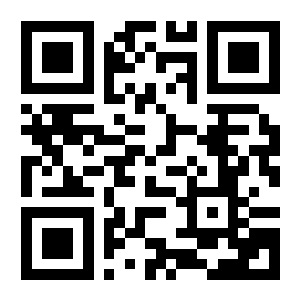
Scan the QR code

Use your phone camera to chat with the bot.

QR code to chat with the programme chatbot

Reach a community worker or facility

Meet your community health worker, or go to your nearest health facility.

Screening

You are asked about cough, fever and other signs. Rapid tests are offered where available.

Referral

If you have signs, you are sent to a health facility with a referral slip.

Follow up

Your community health worker checks you arrived, supports your treatment and records it.

Who this hub is for

Find what fits your role

Community members

Posters and leaflets that explain signs, testing and treatment in plain words and local languages.

Community health workers

Step-by-step job aids, training guides and videos for screening, referral and counselling.

Facility staff and supervisors

Checklists and reporting guides to receive referrals and keep records accurate.

Civil society organisations

Mobilise your community, support people through referral and treatment, speak up against stigma, and share what you see on the ground.

Our civil society partners

Civil Society for the Eradication of Tuberculosis in Nigeria

A network of civil society voices working to end TB.

ACOMIN

Community partner in the integrated CSS programme.

NEPWHAN

The Network of People Living with HIV and AIDS in Nigeria, caring for infected and affected persons.